Introduction
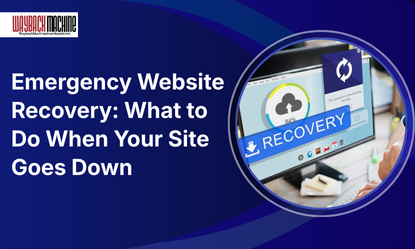
Website downtime can be a nightmare for any business. Whether you’re running an eCommerce site, a blog, or a corporate website, experiencing a site crash can severely affect your operations, revenue, and customer trust. The good news is that website recovery is possible with the right strategies, you can quickly recover your website by using wayback archive, minimizing damage and getting your site back online in no time through free downloader.
In this guide, we’ll walk you through the essential steps for emergency website recovery. From identifying the problem and restoring your site using backups to leveraging the Wayback Downloader for secure data recovery, we’ll cover everything you need to get your website up and running again.
Why Website Recovery is Important
A website recovery is important when it going down because of having several negative consequences, and it’s crucial to act quickly to avoid further complications. Here are a few reasons why emergency website recovery should be a priority:
1. SEO Impact
When a website is down, search engines like Google may de-index your pages, leading to a drop in rankings. If your website is down for an extended period, it can result in a significant loss of organic traffic, affecting your search engine visibility. To learn more about improving your SEO and preventing traffic loss, check out our Wayback SEO Tips blog.
2. User Experience
Visitors expect websites to be available 24/7. A website that’s constantly down will frustrate your audience, causing them to leave and potentially never return. This damages your brand’s reputation and erodes user trust.
3. Business Operations
For businesses, a website is a crucial sales and communication tool. If your site is down, you lose potential customers, leads, and sales. For eCommerce businesses, downtime directly results in lost revenue.
Step-by-Step Guide to Emergency Website Recovery
1. Identifying the Problem
Before you can restore your site, you need to figure out what caused the issue. Here are some common reasons your website might go down:
- Server Issues: If your server is down, your website won’t load. This could be caused by server overload, maintenance, or technical failures.
- Security Breach: A cyber attack, such as hacking or malware, can cause your site to crash or be taken offline by attackors.
- Plugin or Theme Conflicts: If you recently updated or installed a plugin or theme, it may have caused a conflict, leading to the site going down.
To identify the issue, check your server logs for error messages. If you suspect a plugin or theme conflict, disable the most recent ones to see if that resolves the issue.
2. Using Backups to Restore Your Site
One of the most effective ways to recover a website quickly is by using backups. If you’ve been regularly backing up your website, restoring from backup is straightforward. Here’s how to do it:
- WordPress Sites: Log in to your hosting panel or cPanel, find the backup section, and restore your site using the latest backup. If you’re using a plugin like UpdraftPlus or BackupBuddy, you can restore directly from there.
- HTML or Static Sites: If you have a local or cloud-based backup, upload the files back to the server via FTP or cPanel.
Note: It’s crucial to test the restored website to ensure that all pages, posts, images, and other media are functioning correctly.
3. Using Wayback Machine and Wayback Machine Downloader for Data Recovery
If you don’t have a backup available, you can turn to the Wayback archive. This tool archives versions of websites and allow you to see how your site looked at various points in time.
However, while the Wayback Machine lets you view old versions of your website, it doesn’t allow you to download the data. That’s where the Wayback machine restoration comes in.
The Wayback Machine Downloader enables you to download up to 10,000 files for free, including images, scripts, and other assets. This allows you to restore your website to its previous state, complete with original URLs and images-fully secured and editable. For further restoration needs, contact support team, and will assist you in recovering the entire website seamlessly. it also provides the other services.
4. Contacting Support for Further Restoration
If the problem persists or you’re unable to restore your website on your own, it’s time to contact your hosting provider’s support team. They can help identify server-side issues, provide access to older backups, or even help you restore your site manually if necessary.
Tips for Avoiding Future Downtime
Prevention is better than cure, and it’s far easier to avoid website downtime than to deal with the consequences of it. Here are some proactive measures you can take to ensure your site remains up and running:
1. Regular Backups
Make sure to back up your website regularly – preferably on a daily or weekly basis. Store these backups offsite (in the cloud) for added security.
2. Use Reliable Hosting
Choose a hosting provider with high uptime guarantees and strong security features. Look for services with automated backups, real-time monitoring, and prompt customer support.
3. Keep Software Updated
Always update your website’s software, including CMS platforms like WordPress, plugins, themes, and scripts. Many updates contain security patches that prevent vulnerabilities.
4. Implement Website Monitoring
Set up uptime monitoring tools to receive alerts the moment your site goes down. These tools can notify you immediately, so you can take action before your users notice.
5. Use Strong Security Measures
Install a firewall, use malware scanning tools, and ensure your passwords are strong and unique. Regularly scan your website for any signs of malware or security breaches.
Emergency Troubleshooting Tips
When your website goes down, you may need to troubleshoot quickly to identify the cause. Here are some tips for handling immediate issues:
1. Disable Recent Plugins or Themes
If your site crashed after installing or updating a plugin or theme, try disabling them to see if that resolves the issue.
2. Check Resource Usage
Overloaded servers can cause your site to crash. Monitor your server’s CPU and memory usage to ensure it’s not running out of resources.
3. Scan for Malware
Run a malware scan on your site to check for malicious files. Use security plugins for WordPress or third-party tools for static sites.
4. Review Recent Changes
If you made any recent code edits or updates to your website, try rolling them back to see if that fixes the issue.
5. Use a Staging Site
Test any fixes or updates on a staging environment first to prevent causing further issues on your live site.
Frequently Asked Questions (FAQs)
Q1: What is Emergency Website Recovery?
Emergency Website Recovery refers to the process of quickly restoring a website after it goes down due to technical issues, server errors, security breaches, or other problems. It involves using backups, troubleshooting, and tools like the Wayback Downloader to recover lost data and restore the site to its previous state.
Q2: How can I recover my website if it goes down?
If your website goes down, you should first identify the issue (e.g., server overload, malware, plugin conflicts). Then, restore your site using available backups, or use tools like the Wayback Machine Downloader to download and recover lost pages and data. You can also contact your hosting provider for further assistance.
Q3: What is the Wayback Machine?
The Wayback Machine is a digital archive that stores snapshots of web pages from various points in time. It allows users to view historical versions of websites. However, while you can view these archived pages, you cannot download them directly from the Wayback Machine unless you use a tool like the Wayback Downloader.
Q4: What is the Wayback Machine Downloader?
The Wayback Machine Downloader is a tool that allows you to download website content, including images, text, and files, from the Wayback Machine. It provides a secure, editable version of your website’s lost data, enabling you to restore your site with its original URLs, images, and content.
Q5: How does the Wayback Machine Downloader work?
The Wayback Machine Downloader works by accessing archived versions of your website stored in the Wayback Machine. You can download up to 10,000 files for free, including website pages and media files. For larger restorations, you can contact the support team for help with recovering the entire website.
Q6: Can I restore my website from a backup?
Yes, if you have a backup of your website, you can restore it using your hosting control panel (like cPanel), FTP, or backup plugins (e.g., UpdraftPlus for WordPress). Regular backups are essential for fast website recovery during downtime.
Q7: Why is it important to regularly back up my website?
Regular backups are critical because they ensure you have a recent copy of your website in case of data loss, server failures, or security breaches. Without backups, recovering your website can become difficult and time-consuming.
Q8: What should I do if I don’t have a backup of my website?
If you don’t have a backup of your website, you can use the Wayback Machine Downloader to recover lost data from archived versions of your site. The Wayback archive stores snapshots of web pages over time, which can be restored using this tool
Q9: Can I recover my website’s data if it was lost due to a hacking attack?
Yes, if your website has been hacked, and you lost data, you can attempt to recover it using the Wayback Downloader. This tool allows you to download the website’s lost data, such as pages and images, directly from the Wayback Machine archives, making it possible to restore your site securely.
Q10: How do I prevent my website from going down in the future?
To avoid future downtime, ensure you have regular backups in place, choose a reliable hosting provider, keep your website software and plugins updated, implement strong security measures like firewalls, and use monitoring tools to receive alerts if your site goes down.